What Is Payment Gateway Integration and Why Does Your Business Need It?
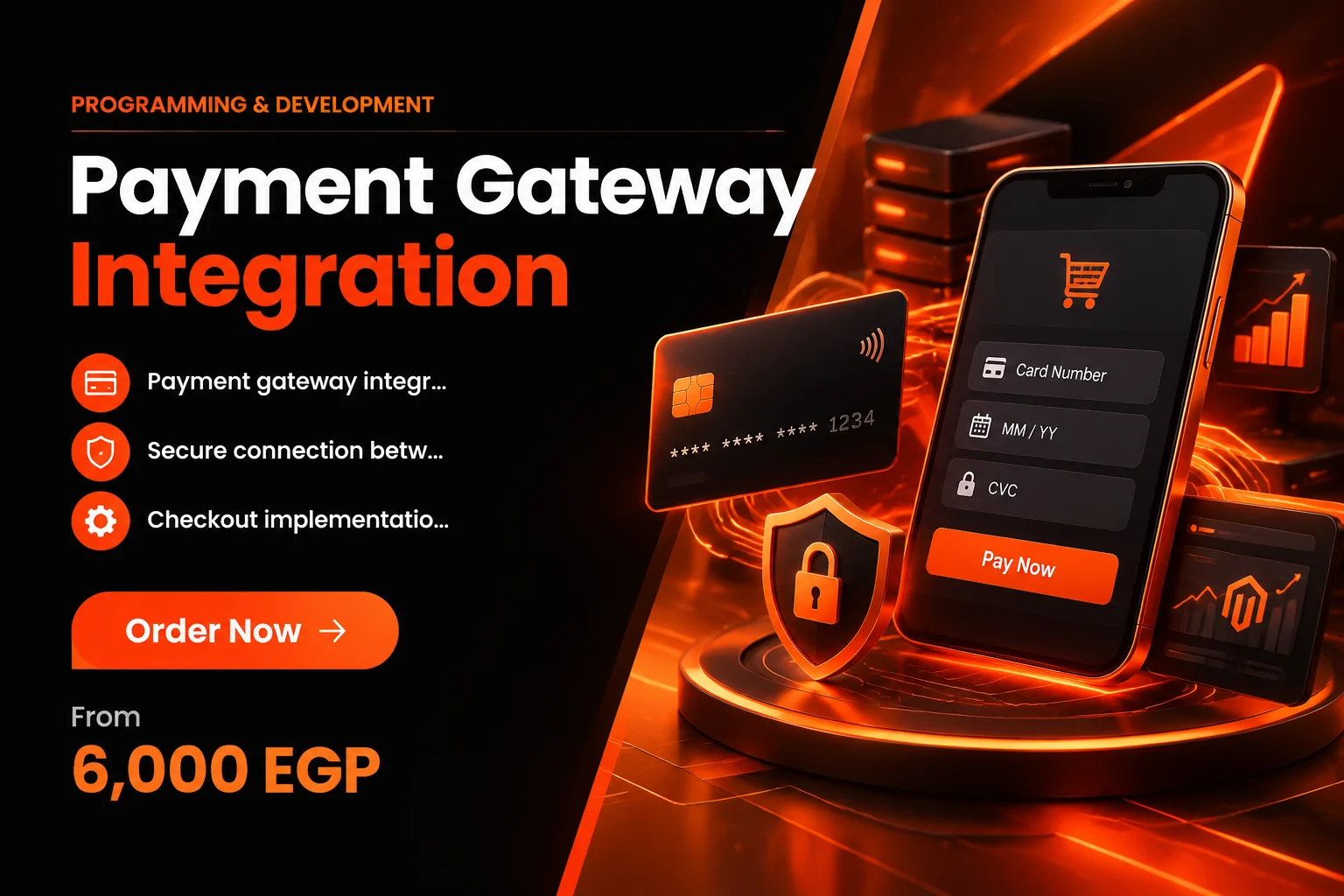
In today's digital economy, customers expect to purchase products and services online through a payment process that is fast, convenient, and secure. Payment gateway integration connects your website or application to a payment service provider, enabling your business to accept electronic payments and process transactions without relying on manual payment handling. For companies investing in digital transformation, this integration is an essential part of building a reliable online sales experience and supporting sustainable business growth.
A payment gateway acts as the technology layer between your checkout interface and the systems responsible for authorizing and processing transactions. When a customer places an order, the integrated payment solution securely transmits the necessary information, receives the transaction result, and communicates the payment status to your application. This process helps customers complete purchases with confidence while allowing your business to manage orders and payments more efficiently.
At STRONG, our payment gateway integration service focuses on connecting payment technologies with your existing digital infrastructure. We consider your business model, customer expectations, technical requirements, and operational workflows to develop an integration that fits your needs. Whether you operate an ecommerce store, a subscription platform, a booking website, or a custom business application, the objective is to create a dependable payment experience that supports your commercial goals.
Why is payment gateway integration important for your business? A properly implemented payment solution can simplify transactions, reduce unnecessary checkout friction, improve payment visibility, and help your organization serve customers across digital channels. Instead of treating payment processing as an isolated feature, integration connects it with the wider customer journey, from selecting a product or service to receiving an order confirmation.
- Accept online payments efficiently: Connect your website or application to suitable payment gateways so customers can complete purchases through supported electronic payment methods. A well-planned integration also helps your system handle transaction requests and payment confirmations consistently.
- Create a smoother checkout experience: Provide a streamlined payment journey with appropriate payment options, clear instructions, and fewer unnecessary steps. A convenient checkout can reduce customer frustration and help prevent potential buyers from abandoning their orders before payment.
- Connect payments with existing systems: Integrate transaction workflows with your ecommerce platform, order management system, customer database, or other business applications. This improves operational consistency and reduces the need for repetitive manual updates.
- Support long-term business growth: Build a flexible integration that can accommodate evolving customer needs, additional payment methods, and future system enhancements as your business expands.
Security and reliability are equally important. Payment integrations must protect sensitive information, validate transaction results, and ensure that orders are not marked as paid based solely on an unverified browser redirect. STRONG approaches these requirements with attention to secure communication, appropriate gateway verification, error handling, and testing before deployment. The exact implementation depends on your selected provider and payment model, but the goal remains consistent: a secure, efficient, and adaptable payment process that strengthens customer trust and gives your business a dependable foundation for online transactions.
What Is Included in Our Payment Gateway Integration Service?
STRONG provides a comprehensive payment gateway integration service designed to connect your website or application with the payment infrastructure needed to process online transactions reliably. We focus on building a functional connection between your checkout interface, backend systems, and payment service provider while ensuring that each transaction follows a clear, verifiable workflow. Our approach covers technical implementation, payment status management, error handling, testing, and documentation to help your business prepare for a dependable launch.
Payment gateway connection through APIs: We connect your payment gateway to checkout pages and backend systems using the appropriate APIs and integration methods supported by your selected provider. This includes configuring transaction creation, passing the required order and payment information, and retrieving transaction results. We structure the integration so that the application can verify payment statuses before updating relevant business records. Depending on your provider and business requirements, the implementation may support different payment methods, currencies, and transaction options. The goal is to establish a consistent connection that fits your existing technology stack and purchasing workflow.
Payment status workflows and automated updates: A successful integration must handle more than approved transactions. We implement workflows for successful, declined, and refunded payments so that your application responds appropriately to each outcome. Successful payments can trigger order confirmation, inventory updates, and customer notifications, while declined transactions can display clear guidance and allow customers to retry when supported. Refund workflows can update payment records and order statuses according to your business rules and the provider's capabilities. We also configure automated notifications where appropriate, helping customers and internal teams receive timely information without unnecessary manual intervention.
Transaction logging, webhook verification, and error handling: STRONG configures the supporting mechanisms needed to monitor payment activity and investigate unexpected results. Transaction logs capture relevant operational details, making it easier to trace payment attempts and troubleshoot integration issues. We implement webhook verification to help ensure that incoming payment events originate from a trusted source and have not been improperly modified. Appropriate error handling addresses communication failures, invalid responses, and other exceptions, reducing the risk of inconsistent order records. Where applicable, we also account for repeated notifications and duplicate transaction requests to support more reliable processing.
Documentation and pre-launch testing: Before deployment, we document the integration configuration, key transaction flows, and relevant operational considerations. We test essential functionality across successful payments, declined transactions, refunds, webhook events, and common failure scenarios. Testing also checks that payment results are reflected correctly in the application and that customer-facing messages match the transaction outcome. This preparation helps your team understand how the integration works and provides a practical foundation for ongoing maintenance.
With STRONG, your business receives an integration tailored to its operational requirements rather than a basic connection that handles only the simplest payment scenario. The final scope depends on the selected payment provider, existing systems, and required features, giving you a clear technical foundation for managing online payments and supporting future improvements.
Technologies and Tools Used for Payment Gateway Integration
Reliable payment gateway integration requires the right combination of development technologies, official payment APIs, security protocols, and testing tools. At STRONG, we select the technical approach according to your business model, existing infrastructure, transaction requirements, and future growth plans. The objective is to build a payment integration that communicates efficiently with your chosen payment provider, handles transaction outcomes accurately, and maintains a consistent checkout experience across your website or application.
Official Payment Gateway APIs and SDKs form the foundation of the integration process. We work with the documented APIs and supported integration methods provided by payment service providers, using available software development kits and libraries to simplify implementation and reduce unnecessary complexity. Depending on the provider, these tools may support payment initiation, authorization, capture, refunds, transaction status inquiries, and recurring billing. Following official integration guidelines helps maintain compatibility with provider requirements and makes future updates easier to manage.
Backend and Frontend Development Technologies are selected based on the architecture of your platform. Our integration approach can leverage Node.js, PHP, Python, and JavaScript to implement payment workflows, communicate with external services, and manage transaction responses. Backend components handle sensitive business logic, API credentials, payment requests, and server-side validation, while frontend components provide clear checkout interactions and appropriate payment status messages. Where applicable, we also integrate with existing content management systems, e-commerce platforms, and custom applications to minimize disruption to established operations.
Secure Communication and Transaction Protection are essential components of a production-ready payment solution. We use HTTPS with TLS to protect data exchanged between supported systems and apply secure credential management practices to reduce exposure of API keys and other secrets. Webhook signature verification helps establish whether incoming payment notifications are authentic, while server-side checks confirm transaction status before an order is marked as paid. We also implement idempotency controls where supported, preventing repeated requests or webhook deliveries from unintentionally creating duplicate charges, orders, or refund operations.
Automated Testing and Integration Validation help ensure that the payment workflow behaves correctly under different conditions. We use provider sandbox environments, automated tests, API testing utilities, and application logging to examine successful payments, declined transactions, timeouts, duplicate notifications, and interrupted checkout sessions. Additional validation covers currency handling, amount consistency, error responses, and the transition between pending, successful, and failed payment states. These checks help identify issues before the integration reaches production and provide a clearer basis for troubleshooting after launch.
STRONG combines these technologies into an integration architecture tailored to your operational needs rather than relying on a one-size-fits-all implementation. By aligning official provider tools with suitable programming languages, secure transaction handling, and repeatable testing procedures, we help establish a dependable payment process that supports customer confidence, accurate order management, and long-term platform maintainability.
Payment Gateway Integration Phases From Analysis to Launch
A successful payment gateway integration requires more than connecting a website to a payment provider. It involves careful planning, reliable transaction processing, secure data handling, and thorough testing to ensure customers can complete purchases without unnecessary friction. At STRONG, we follow a structured development process that aligns the integration with your business model, technical environment, and operational requirements. Each phase is designed to reduce implementation risks, improve payment reliability, and prepare your digital platform for real-world transactions.
Phase 1: Business Analysis and Payment Gateway Selection
We begin by understanding how your business accepts payments, manages orders, and handles financial transactions. Our team reviews your existing website or application, identifies technical dependencies, and defines the payment experience required for your customers. These findings help us select a suitable payment gateway based on supported features, regional availability, transaction requirements, and compatibility with your technology stack.
- Business requirements: Identify transaction types, expected payment volumes, customer journeys, and operational priorities.
- Payment configuration: Define supported currencies, payment methods, transaction rules, and checkout behavior.
- Order and refund workflows: Establish how orders are created, confirmed, cancelled, refunded, and reconciled with payment records.
- Technical planning: Document API requirements, integration dependencies, credentials, and the expected behavior of payment statuses.
This preparation establishes a clear implementation scope and helps prevent avoidable changes during development.
Phase 2: Integration Development and System Configuration
Once the requirements and payment provider are confirmed, we implement the integration within your website or application. The development process connects the checkout interface to the gateway API while maintaining a clear separation between customer-facing interactions and server-side transaction processing. We configure sandbox credentials to simulate transactions without charging real customers and establish the communication required to exchange payment information securely.
- API integration: Connect the selected gateway to the checkout process and configure the required transaction requests.
- Payment-status handling: Process successful, pending, failed, and cancelled transactions according to the provider's documented responses.
- Notifications and callbacks: Implement webhook handling and appropriate verification to update order statuses reliably.
- Database connectivity: Store relevant transaction references, order associations, timestamps, and status updates while avoiding unnecessary sensitive payment data.
We also account for interrupted requests and repeated notifications to help maintain consistent records between the payment provider and your internal systems.
Phase 3: Testing, Security Review, and Production Launch
Before deployment, we validate the complete payment journey using realistic test scenarios. Testing covers successful and declined payments, network timeouts, interrupted checkout sessions, duplicate notifications, and unexpected gateway responses. We verify that each transaction produces the correct order status and that customers receive clear feedback when a payment succeeds or requires another action.
- Functional testing: Confirm checkout behavior, payment confirmations, cancellations, and refund workflows.
- Reliability testing: Check retry behavior, duplicate-event protection, and recovery from temporary communication failures.
- Security review: Verify credential protection, webhook authenticity, HTTPS usage, access controls, and appropriate handling of sensitive information.
- Launch and monitoring: Configure production credentials, verify live transactions, monitor errors, and review payment performance after deployment.
STRONG coordinates the transition from sandbox testing to production with attention to transaction accuracy and operational readiness. After launch, monitoring helps identify recurring failures, unexpected status changes, and opportunities to improve checkout reliability. The result is a payment integration built around your business requirements, tested against important transaction scenarios, and prepared to support a dependable customer payment experience.
Payment Performance, User Experience, and SEO Optimization
A successful payment gateway integration should do more than enable customers to complete transactions. It should deliver a fast, intuitive checkout experience, maintain reliable communication between your website and payment provider, and support the overall performance of your digital platform. STRONG optimizes payment workflows to help businesses reduce checkout friction, improve transaction consistency, and maintain a search-engine-friendly website structure without exposing private payment information.
Optimizing Checkout Speed and User Experience
Slow checkout pages and complicated payment steps can discourage customers from completing their purchases. Our development team evaluates the checkout experience to identify unnecessary loading delays, redundant requests, and interface elements that create confusion. We then refine the implementation to make the payment process more efficient across desktop computers, tablets, and mobile devices.
- Improve checkout-page loading speed by reducing unnecessary scripts, requests, and processing overhead wherever possible.
- Simplify payment forms and remove avoidable steps so customers can enter their information, review order details, and complete purchases more easily.
- Implement responsive layouts that maintain usability across different screen sizes, browsers, and device types.
- Provide clear validation messages and actionable error notifications to help customers correct payment issues without restarting the entire checkout process.
- Evaluate key performance indicators, including loading times and checkout completion rates, to identify opportunities for continued improvement.
These improvements help create a more predictable customer journey while supporting conversion optimization. The specific performance gains depend on the existing website architecture, hosting environment, payment provider, and third-party services involved.
Improving Transaction Reliability and Order Synchronization
Payment processing requires accurate communication between the customer interface, the payment gateway, and the business's order management system. Network interruptions, delayed responses, and repeated requests can otherwise produce confusing outcomes or inconsistent order records. STRONG implements appropriate transaction-handling logic to improve reliability and reduce operational risks.
- Handle gateway errors, connection failures, and timeouts with controlled retries and clear transaction-status messages.
- Use unique transaction references and idempotency mechanisms where supported to help prevent duplicate charges when requests are repeated.
- Validate payment confirmations through trusted server-side responses and verified webhooks rather than relying exclusively on browser redirects.
- Synchronize payment results with order records so successful, pending, failed, refunded, and cancelled transactions are reflected accurately.
- Maintain appropriate transaction logs and monitoring records to support troubleshooting, reconciliation, and ongoing maintenance.
This approach helps businesses investigate payment discrepancies more efficiently and gives customers clearer information about their purchases. Implementation details are adapted to the capabilities and requirements of the selected payment provider.
Applying SEO Best Practices to Payment-Related Pages
Payment gateway integration should also account for search engine optimization without compromising privacy or transaction security. STRONG applies appropriate SEO practices to relevant public-facing pages, such as product pages, service descriptions, and payment-related informational content, while keeping sensitive checkout workflows separate from search indexing.
- Optimize relevant public pages with descriptive titles, useful content, appropriate heading structures, and clear internal links.
- Prevent private checkout, payment confirmation, and sensitive account pages from appearing in search results where appropriate through suitable indexing controls.
- Avoid placing payment credentials, personal information, transaction tokens, or other sensitive data in URLs and indexable page content.
- Review canonical URLs, crawlability, and page performance to reduce avoidable technical SEO issues.
By combining performance optimization, dependable transaction handling, and responsible SEO implementation, STRONG helps businesses build payment experiences that support customer confidence, operational accuracy, and long-term digital growth.
Who Needs Payment Gateway Integration and How to Get Started With STRONG
Payment gateway integration is an essential service for businesses that want to accept online payments, simplify transactions, and deliver a convenient digital purchasing experience. Whether you are launching a new platform or improving an established business system, STRONG provides payment integration solutions tailored to your operational requirements, customer journey, and growth objectives. Understanding whether your business needs this service and how to begin the implementation process helps you make informed decisions about your technology investment.
Businesses That Benefit From Payment Gateway Integration
Our payment gateway integration service is suitable for different business models that require reliable online transaction processing, including:
- E-commerce stores: Enable customers to pay for products online through a convenient checkout experience that supports smoother purchasing and order completion.
- Startups: Establish the technical foundation for accepting digital payments while preparing your business to accommodate future customers, products, and transaction volumes.
- Digital platforms: Connect payment services to platforms that sell digital products, provide online services, or facilitate transactions between users and businesses.
- Subscription applications: Support recurring payment workflows for membership platforms, subscription services, and applications that operate through periodic billing models, depending on the selected provider's capabilities.
- Service providers: Allow customers to pay for bookings, consultations, professional services, and other offerings through your website or application.
Businesses with an existing payment system may also benefit from integration improvements when they need to introduce another payment provider, support additional payment methods, or align transaction processing with updated operational requirements. STRONG evaluates your specific needs before recommending an appropriate implementation approach.
Defining the Project Scope, Cost, and Timeline
Every payment gateway integration project has different technical and operational requirements. The project scope, estimated cost, and implementation timeline depend on several factors, including the selected payment gateway, the complexity of your existing website or application, the payment methods you want to support, and the testing required before launch. Integrations involving established platforms and standard provider APIs may require a different level of effort than custom applications with complex checkout workflows or specialized business rules.
During the initial discussion, STRONG identifies your essential requirements, reviews the available technical environment, and determines the integration tasks needed to achieve your objectives. This assessment helps establish realistic project expectations, clarify the required deliverables, and identify potential dependencies before development begins. The resulting plan can account for implementation, transaction testing, error handling, and launch preparation.
Start Your Payment Integration Project With STRONG
Getting started begins with a clear understanding of your business model and payment requirements. Contact STRONG to discuss your project, explain your current technical setup, and identify the payment gateway or payment methods you intend to use. Our team will evaluate the information you provide and prepare a clear integration plan covering implementation, testing, and launch preparation.
Whether you need to integrate payments into a new online store, connect a subscription application, or upgrade an existing digital platform, STRONG helps you approach the project with a defined scope and practical implementation steps. Share your requirements with our team to explore a suitable payment gateway integration solution that supports your current operations and long-term business goals.